
A faint hum or growl from a wheel end may seem harmless, but that small noise can be an early sign of serious axle bearing failure. Such a failure can threaten vehicle safety, damage costly parts, and lead to an unexpected tow—especially under the high heat and heavy loads common around Irving, TX.

A faint hum or growl from a wheel end may seem harmless, but that slight noise can be an early sign of serious axle bearing failure. Such a failure can threaten vehicle safety, damage costly parts, and lead to an unexpected tow—especially under the high heat and heavy loads common around Irving, TX.
Role of the Axle Bearing in Heavy-Duty Trucks
An axle bearing supports the vehicle’s weight at the wheel end and allows the wheel and hub to rotate smoothly with minimal friction. In heavy-duty applications, tapered roller bearings are common because they handle both radial and axial loads caused by cargo weight, cornering, and braking.
The bearing’s rolling elements move between the inner and outer races on a thin film of lubricant. When lubrication is correct and the bearing is appropriately adjusted, surface contact stresses remain within design limits, allowing the bearing to operate reliably for hundreds of thousands of miles.
Any disturbance—such as contamination, lubricant loss, misadjustment, or overload—disrupts that film, increases metal-to-metal contact, and speeds up wear. This is why most wheel-end failures stem from basic bearing and lubrication problems rather than sudden, random defects.
How a Small Noise Becomes a Major Failure
A “minor” wheel-end noise typically indicates that the bearing is no longer properly lubricated. As friction increases, bearing surfaces start to pit, spall, and overheat. This process follows a fairly predictable sequence.
- Lubricant deteriorates, becomes contaminated, or leaks past an axle seal.
- Metal contact increases friction, leading to an overheated hub and discolored bearing surfaces.
- Internal clearance changes that cause endplay or preload to exceed recommended limits.
- The driver notices humming, grinding, or growling sounds that often vary with vehicle speed.
- If ignored, the bearing can seize or disintegrate, damaging the hub, spindle, and even the axle housing, potentially causing the wheel to come off.
At that stage, a simple heavy-duty truck axle repair turns into a complex, costly rebuild that almost always needs a tow.
Operating Conditions Around Irving, TX
Operating in and around Irving, TX, exposes wheel ends to harsh conditions. The Dallas–Fort Worth region regularly experiences summer high temperatures in the upper 90s °F and above, with recent heat waves driving many Texas cities into sustained triple-digit temperatures.
High ambient temperatures thin lubricant, increase hub operating temperatures, and decrease safety margins for already-stressed axle bearing components. When this heat combines with heavy loads, stop-and-go traffic, and frequent braking on regional routes, the risk of overheated hub conditions rises significantly.
Common Root Causes of Axle Bearing Failure
Industry research and field experience consistently identify a core set of causes behind axle bearing failure in heavy-duty vehicles.
- Lubricant contamination – Water, road debris, and metallic particles entering the hub can damage the protective film and accelerate wear.
- Incorrect or degraded lubricant – Using the wrong viscosity or letting lubricant oxidize, shear, or become low exposes bearing surfaces to excessive contact stress.
- Improper bearing adjustment – Excessive endplay or preload causes abnormal heating, fatigue, or fretting. TMC Recommended Practice RP 618 specifies methods to verify endplay, typically in the 0.001–0.005 in range.
- Axle seal problems – A failing seal lets lubricant escape, and contaminants get in. Industry resources highlight that seal leakage is a leading cause of wheel-end failures.
- Chronic overloading – Repeatedly exceeding axle and suspension ratings significantly reduces semi truck wheel bearing life, especially in severe-service and construction applications.
Regulatory and Safety Considerations
The Federal Motor Carrier Safety Administration (FMCSA) mandates that motor carriers systematically inspect, repair, and maintain all vehicle parts and accessories, including wheel-end components, to ensure they are in a safe and proper operating condition.
Analysis of wheel-off accidents shows many cases stem from neglected wheel-hub inspections, improper bearing adjustments, and unnoticed seal or hardware issues. Since a detached wheel assembly can cause serious injury and property damage, fleets are increasingly prioritizing wheel-end maintenance as a key safety measure instead of just a routine task.
Early Warning Signs a Driver Should Report
Drivers and owner-operators are key in spotting axle bearing issues before they fail. Industry guidance advises paying close attention to:
- New or changing wheel-end noise, such as humming, rumbling, or grinding, that varies with speed.
- Noticeable temperature differences between hubs are detected during walk-around checks; a locally overheated hub is a key warning sign.
- Visible lubricant inside the wheel, near the hub cap or axle flange, indicates a possible axle seal leak.
- Steering pull, vibration, or handling changes may indicate problems with the front axle bearing or the suspension.
Prompt reporting and inspection of these symptoms enable shops to fix a correctable issue rather than react to an emergency breakdown.
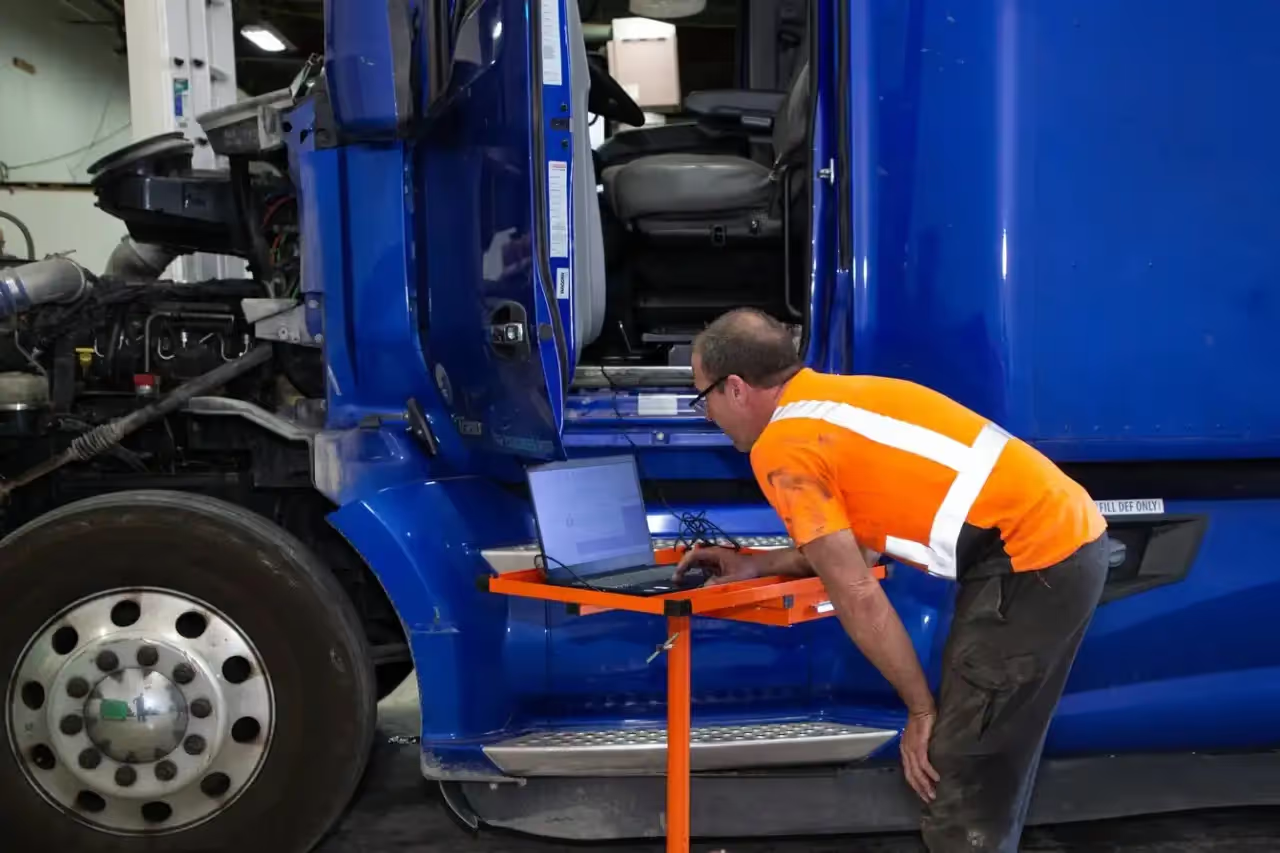
What a Professional Wheel Hub Inspection Includes
During a thorough wheel hub inspection, a trained technician assesses several critical areas.
- Endplay measurement – Using a dial indicator, the technician measures bearing endplay and adjusts components in accordance with TMC RP 618 procedures.
- Bearing and race condition – Bearings and cups are examined for discoloration, pitting, scoring, and indications of overheating or fatigue.
- Seals and gaskets – The technician inspects for hardened, cut, or distorted seals and examines hub caps or axle flanges for leaks.
- Hub-and-spindle surfaces – Contact areas are inspected for wear, scoring, or deformation that may affect new components.
- Lubricant level and condition – Oil or grease is checked for proper level, correct grade, and absence of contamination. TMC RP 631 outlines best practices for wheel-end lubrication in commercial vehicles.
A documented process based on recognized industry practices helps ensure that heavy-duty truck axle repair is both technically sound and consistent across a fleet.
Preventive Maintenance Strategies for Fleets
Structured preventive maintenance for fleets reduces the risk of roadside incidents and extends component lifespan. Leading maintenance organizations and bearing manufacturers recommend:
- Incorporating wheel-end checks into scheduled inspections and preventive maintenance intervals, including endplay verification, seal inspections, and hub inspections.
- Aligning differential and axle service intervals with duty cycle, environment, and oil analysis results instead of relying solely on mileage.
- Standardizing torque procedures and adjustment steps according to TMC Recommended Practices and OEM specifications.
- Maintaining detailed records of wheel-end work, components used, and failure patterns to identify recurring issues by axle position or application.
Such practices directly promote regulatory compliance, safety goals, and overall cost-of-ownership objectives.
Simple Habits That Protect Axles
In addition to following shop procedures, maintaining consistent field habits considerably prolongs axle bearing life.
- Drivers can feel hubs (with proper care and PPE) during breaks to identify a localized overheated hub.
- Pre-trip and post-trip inspections should include a visual check for lubricant streaks or an emerging axle seal leak.
- Report and investigate any new wheel-end noise, change in steering feel, or vibration promptly, rather than just monitoring them.
When these observations guide a proactive maintenance program at a skilled diesel truck repair shop in Irving, TX, fleets significantly lower the risk of catastrophic wheel-end events.
When to Involve a Professional Shop
A vehicle should be inspected by experienced technicians whenever there is persistent wheel-end noise, evidence of lubricant loss, repeated hub temperature issues, or uncertainty about the condition of a semi truck wheel bearing after overload, impact, or severe heat events.
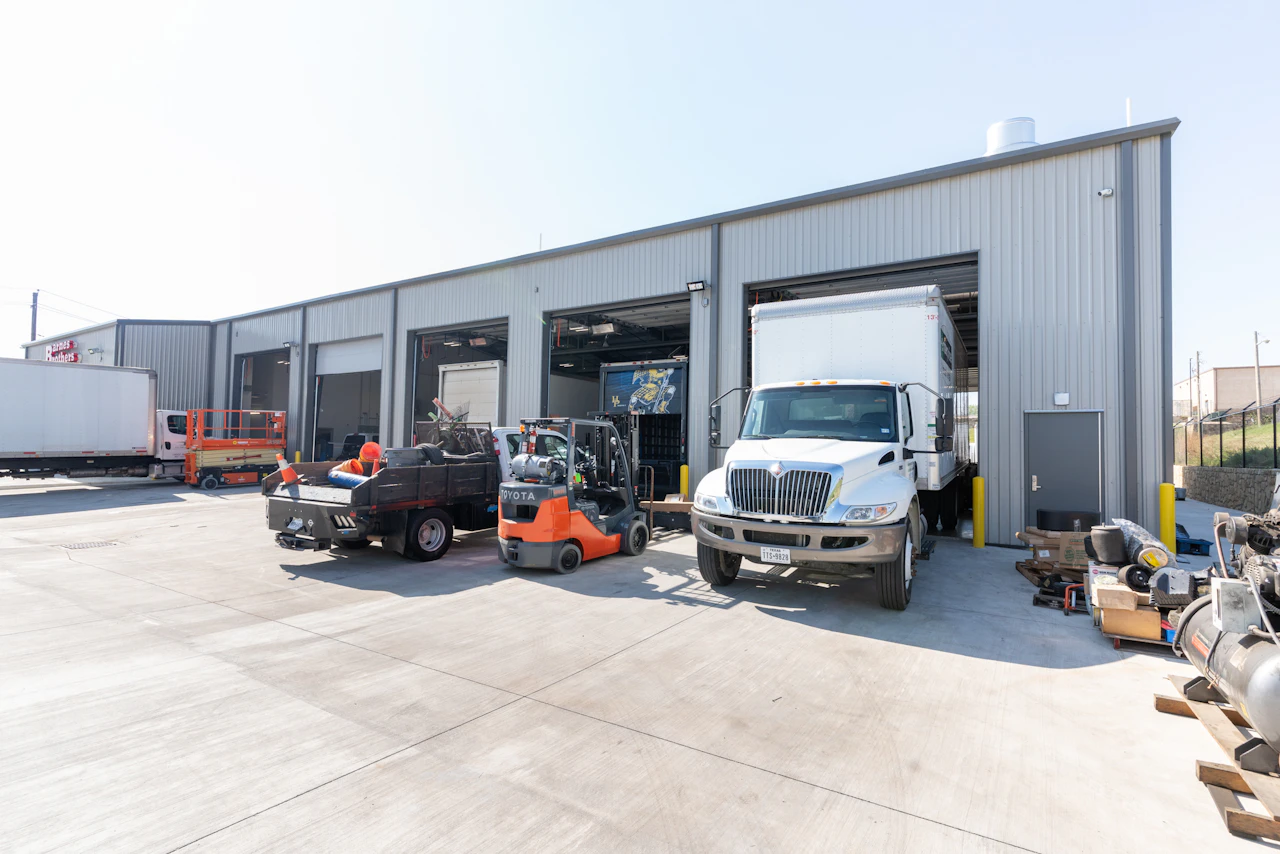
For operators based in or passing through Irving, TX, choosing a specialized heavy-duty facility like Barnes Brothers Truck & Trailer Repair gives access to technicians experienced with TMC procedures, OEM guidance, and local operating conditions. A prompt inspection and heavy-duty truck axle repair can prevent a minor issue from turning into a wheel-off incident or roadside tow.
Conclusion
In heavy-duty service, a “little” wheel-end noise is rarely insignificant. It often indicates developing axle bearing failure caused by lubrication problems, contamination, misalignment, or excessive heat—factors worsened by North Texas operating conditions.
By recognizing early warning signs, implementing disciplined wheel-hub inspection procedures, scheduling regular differential and axle service, and partnering with a qualified diesel truck repair provider in Irving, TX, fleets and owners can safeguard equipment, minimize unscheduled downtime, and meet safety and regulatory standards.
News & Articles
Read About The Latest in Industry
Here, you'll find regular articles covering a wide range of topics related to diesel repair, maintenance, and troubleshooting. Whether you're an operator, fleet manager, or diesel engine enthusiast, you'll find something of interest here.
%20(1).webp)
.webp)
.jpg)



Recent Testimonials
Contact Barnes Brothers Truck and Trailer Repair
Barnes Brothers Truck and Trailer Repair provides Dallas & the surrounding areas with professional truck and trailer repair & fleet maintenance services from our shop in Irving, TX. Get in touch today for a quote & to schedule service.