
Overheating and excessive blow-by can turn a hard-working fleet engine into a costly downtime problem. Learn how these warning signs point to deeper internal wear, when rebuilding makes sense, and how Dallas fleets can act before productivity suffers.
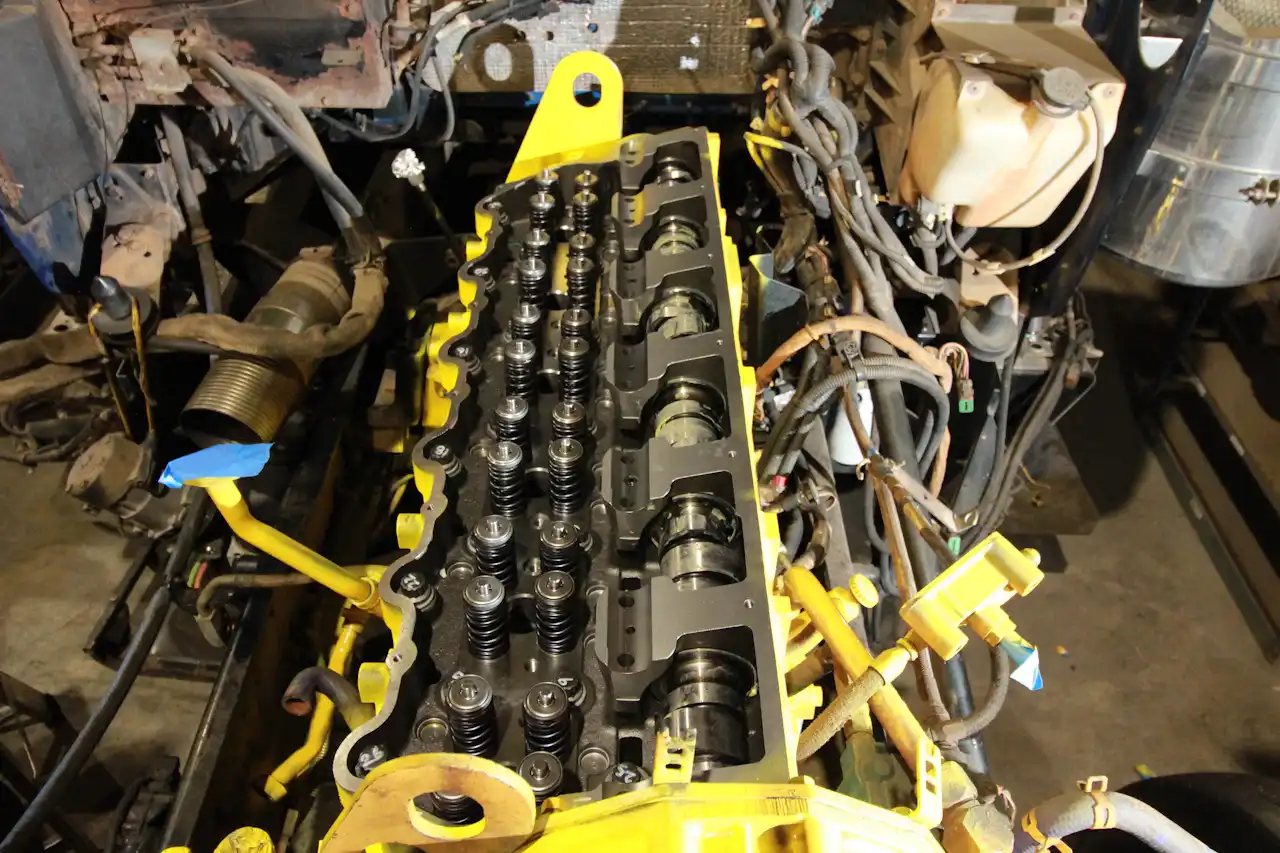
An engine can still run while quietly moving closer to a major failure. Rising operating temperatures, increased oil consumption, and heavy blow-by may look manageable at first, but they can signal internal wear that is already cutting into reliability.
For Dallas fleet operators, catching those changes early can turn an emergency replacement into a planned repair. A well-timed rebuild can restore dependable operation before engine trouble disrupts routes, schedules, and revenue.
When Should You Rebuild Fleet Engines?
You should consider rebuilding an engine when testing confirms significant internal wear but the engine and truck remain good candidates for continued service. Professional fleet engine rebuild services can address worn internal components before a deteriorating engine reaches the point of catastrophic failure.
A rebuild generally involves disassembling the engine, inspecting critical components, replacing or reconditioning worn parts, and restoring clearances and sealing surfaces as needed. The exact scope depends on engine condition, mileage, operating history, and the damage technicians find during inspection.
For fleet managers, timing matters. Waiting until an engine fails completely can increase secondary damage, towing expenses, downtime, and scheduling pressure.
Why Is Engine Overheating a Warning Sign?
A heavy-duty diesel engine produces substantial heat every time it works. Its cooling system must continuously absorb that heat and move it through the radiator so the engine can remain within a safe operating range.
When temperatures repeatedly climb higher than normal, something is wrong. Coolant loss, restricted flow, radiator problems, water pump issues, fan problems, or internal engine damage may all contribute.
Repeated diesel engine overheating is especially concerning because excessive heat can accelerate wear throughout the engine.
High temperatures can affect:
- Cylinder-head sealing
- Gaskets and seals
- Engine oil performance
- Pistons and cylinder walls
- Bearings
- Cooling-system components
- Other heat-sensitive engine parts
One overheating incident does not automatically mean an engine needs rebuilding. Recurring overheating combined with compression loss, oil consumption, contamination, or internal damage deserves much closer attention.
What Causes Excessive Diesel Engine Blow-By?
Some combustion gases naturally pass the piston rings during normal engine operation. Excessive diesel engine blow-by, however, can point toward worn piston rings, cylinder-wall wear, or other internal sealing problems.
As those sealing surfaces deteriorate, more combustion pressure escapes past the pistons and enters the crankcase.
Fleet operators may notice:
- Increased crankcase pressure
- Vapour or smoke from the breather
- Higher oil consumption
- Reduced engine power
- Oil leaks becoming more frequent
- Declining compression
- Poorer overall engine performance
Blow-by should be evaluated alongside other symptoms rather than treated as a diagnosis by itself. Technicians may need to perform engine compression testing, inspect crankcase pressure, review oil consumption, and consider the engine's operating history.
How Do Overheating and Blow-By Affect Fleet Productivity?
A truck that still starts every morning can create the illusion that there is plenty of time left. In reality, worsening internal wear often makes operating costs less predictable.
An engine suffering from internal engine wear may consume more oil, lose power, operate hotter, and require increasingly frequent attention.
That creates several fleet-management problems:
- Unexpected downtime. Trucks become unavailable without warning.
- Missed routes or deliveries. One disabled unit can disrupt multiple schedules.
- Higher repair costs. Continued operation may damage components that could have been saved.
- Driver complaints. Low power, overheating, and repeated warning lights reduce confidence in the equipment.
- Maintenance disruption. Emergency work forces technicians to abandon planned repairs.
- Replacement pressure. A sudden failure can push fleet managers into making expensive equipment decisions quickly.
Planning major engine work ahead of failure gives you more control over those consequences.
How Do Technicians Determine Whether an Engine Needs a Rebuild?
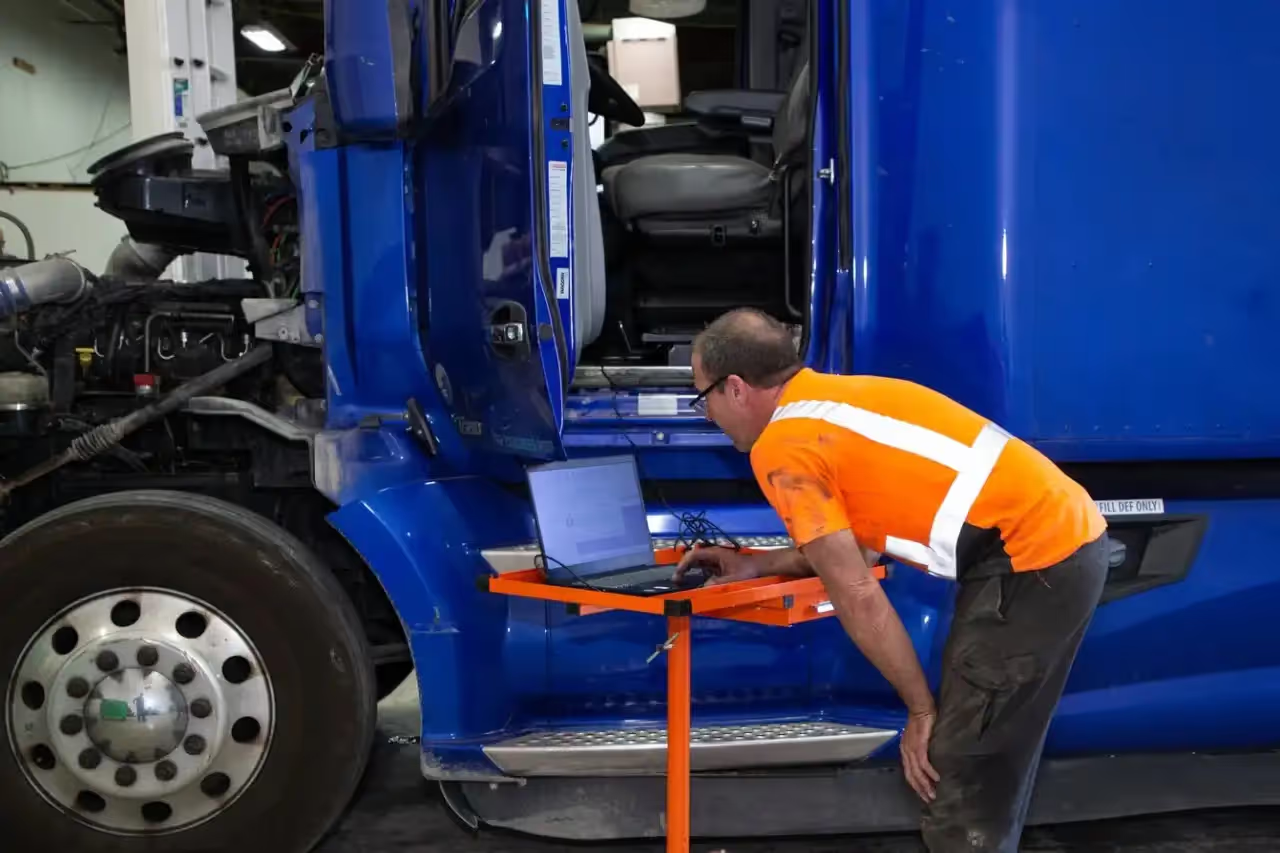
A rebuild decision should come from testing and inspection, not mileage alone.Technicians may examine engine oil condition, oil pressure, compression, blow-by, coolant condition, fault codes, performance data, and evidence of internal mechanical wear.
Common engine rebuild warning signs include persistent low compression, excessive oil consumption, severe blow-by, repeated overheating, abnormal internal noises, and confirmed damage to major internal components.
The decision also depends on the truck itself. Fleet managers need to compare repair costs with the remaining service life and condition of the chassis, transmission, drivetrain, and other expensive systems.
That rebuild-versus-replacement calculation is a familiar challenge in heavy-duty fleet management. The question of whether to rebuild or trade should account for far more than the immediate repair invoice.
Is an Engine Rebuild Worth It for a High-Mileage Fleet Truck?
High mileage does not automatically make a truck a poor rebuild candidate.A well-maintained commercial vehicle may remain useful long after major engine work, particularly when the chassis and other major systems are still in good condition.
Discussions around the million-mile truck highlight how long service life can depend on maintenance strategy, operating conditions, and major component decisions.
Fleet managers should consider several factors:
- Overall truck condition
- Engine repair history
- Transmission and driveline condition
- Frame and suspension condition
- Expected annual mileage
- Replacement vehicle cost
- Future maintenance needs
- Planned fleet replacement cycle
A rebuild can make sense when it restores a productive asset without creating an unreasonable stream of additional repairs.
Can Preventive Maintenance Delay Major Engine Repairs?
Consistent maintenance can help reduce the risk of premature engine damage, although it cannot eliminate normal wear.
Engine oil is particularly important because it lubricates critical internal components and helps carry heat away from moving parts. Cooling-system maintenance matters for the same reason: uncontrolled heat can quickly become destructive.
A strong fleet preventive maintenance program should include regular attention to:
- Engine oil and filters
- Coolant condition and level
- Cooling-system leaks
- Oil pressure
- Air filters and intake components
- Fuel filters
- Warning lights and fault codes
- Unusual smoke or noises
- Oil and coolant consumption trends
Patterns matter more than isolated events. A truck that suddenly begins using more oil every service interval deserves investigation before the change becomes severe.
Regular fleet service in Dallas can also help operators catch developing problems while maintenance can still be scheduled around operations.
Why Does Planned Engine Rebuilding Beat Emergency Failure?
A planned rebuild gives a fleet manager choices. A catastrophic failure takes many of those choices away. When an engine fails on the road, you may face towing, recovery, missed work, driver downtime, expedited parts, and an unexpected replacement decision. If the failure damages additional internal components, repair costs can increase as well.
Planned heavy-duty engine rebuilding allows the truck to enter the shop when maintenance capacity and business schedules permit. It also gives technicians an opportunity to evaluate the engine before a broken component creates additional damage.
For businesses operating around Dallas, Fort Worth, and North Texas, that predictability can make a substantial difference when every available truck contributes to daily productivity.
What Should Fleet Managers Track Between Services?
Your drivers and maintenance team can help identify engine deterioration long before a teardown becomes necessary. Track changes in oil consumption, coolant usage, operating temperature, smoke, engine power, blow-by, and fuel economy. Recording those trends gives technicians useful information when diagnosing a truck.
Do not ignore a problem simply because the engine still runs. A gradual change is often the warning. When several symptoms appear together—especially overheating, excessive blow-by, high oil consumption, and declining compression—the case for deeper engine inspection becomes much stronger.
Protect Fleet Productivity With Engine Rebuilding in Dallas, TX
Overheating and excessive blow-by are more than inconveniences. They can indicate cooling problems, poor cylinder sealing, or significant internal wear that threatens the reliable service your fleet depends on.
Barnes Brothers Truck and Trailer Repair provides fleet engine rebuilding for commercial operators dealing with worn engines, recurring overheating, excessive blow-by, and related performance problems. Addressing those symptoms before complete failure can give you more control over downtime, repair planning, and the useful life of your equipment.
News & Articles
Read About The Latest in Industry
Here, you'll find regular articles covering a wide range of topics related to diesel repair, maintenance, and troubleshooting. Whether you're an operator, fleet manager, or diesel engine enthusiast, you'll find something of interest here.




Recent Testimonials
Contact Barnes Brothers Truck and Trailer Repair
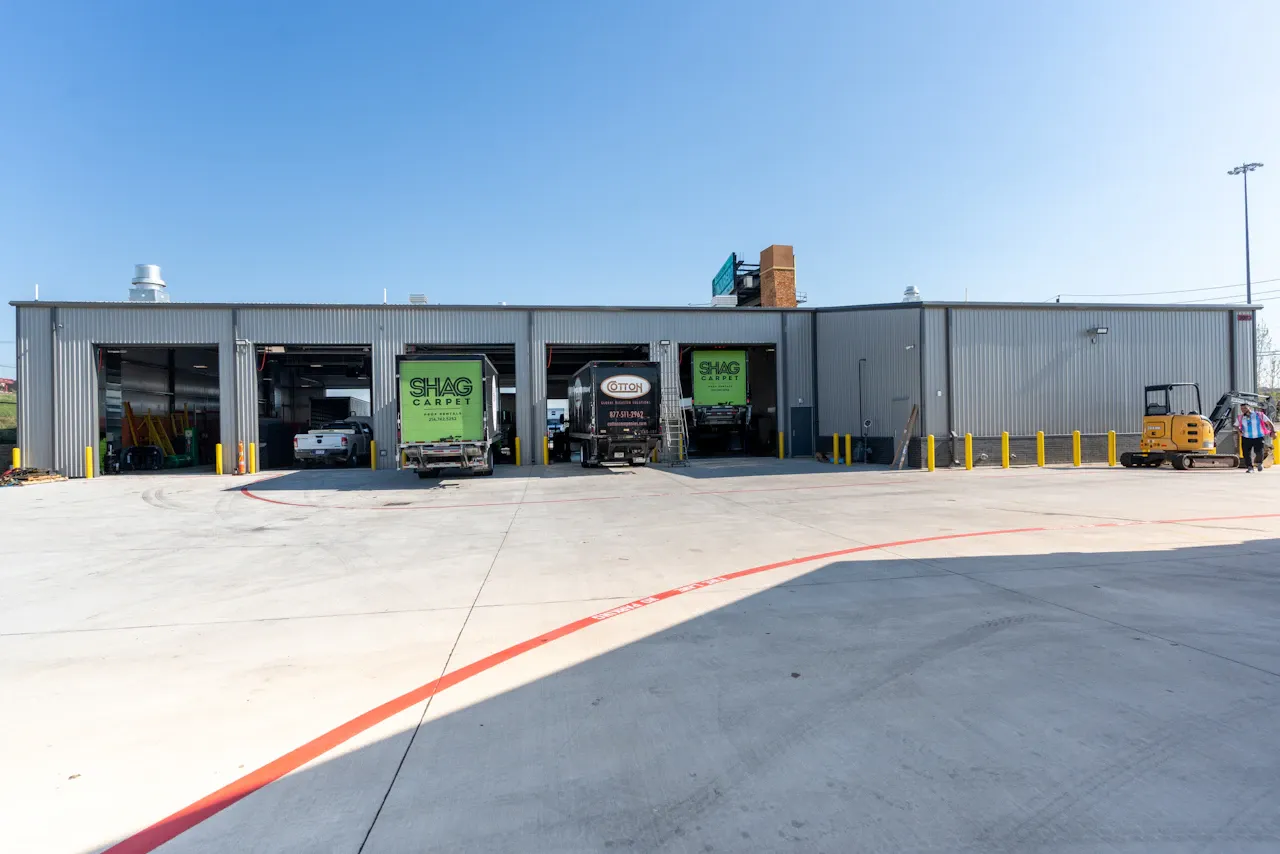
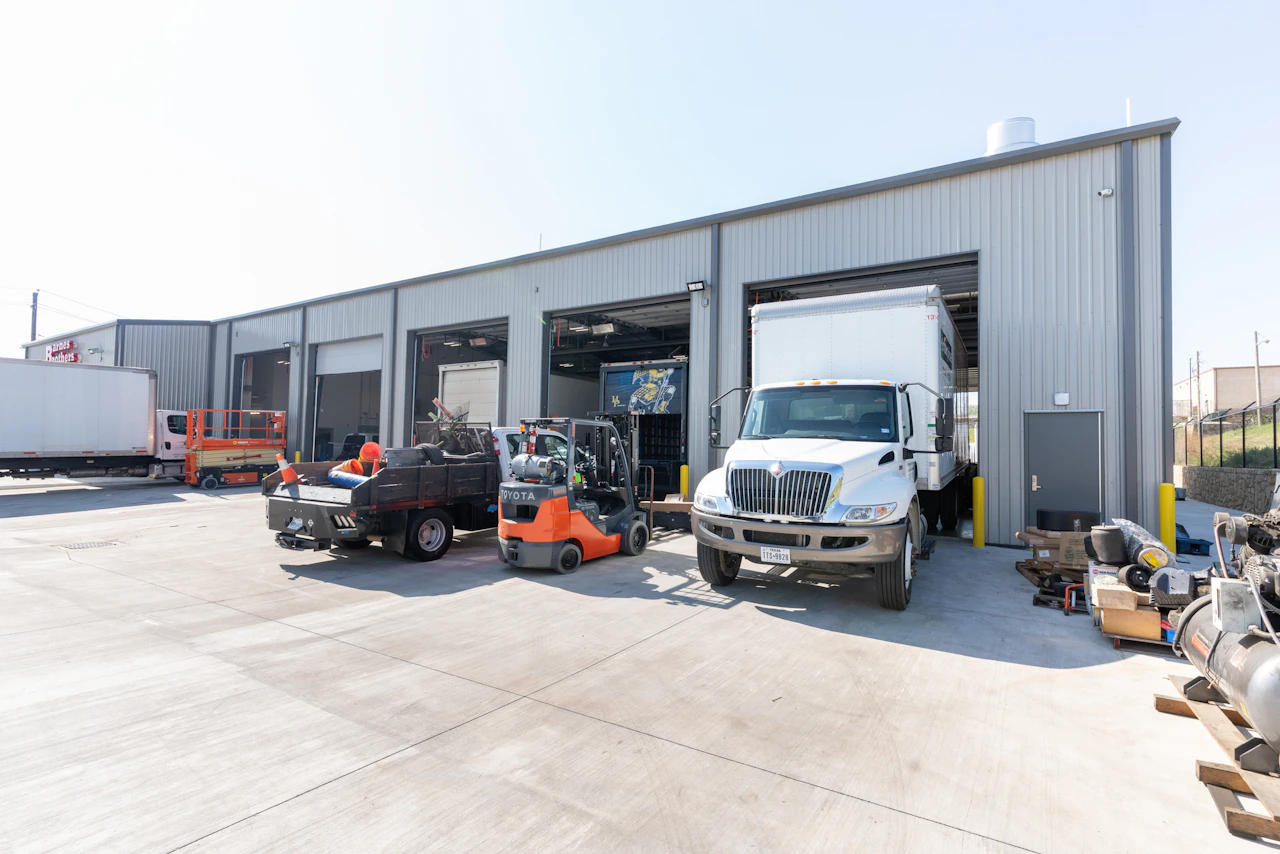
Barnes Brothers Truck and Trailer Repair provides Dallas & the surrounding areas with professional truck and trailer repair & fleet maintenance services from our shop in Irving, TX. Get in touch today for a quote & to schedule service.